Olive Pomace Oil vs Refined Olive Oil for Slow-Trace Castile Soap
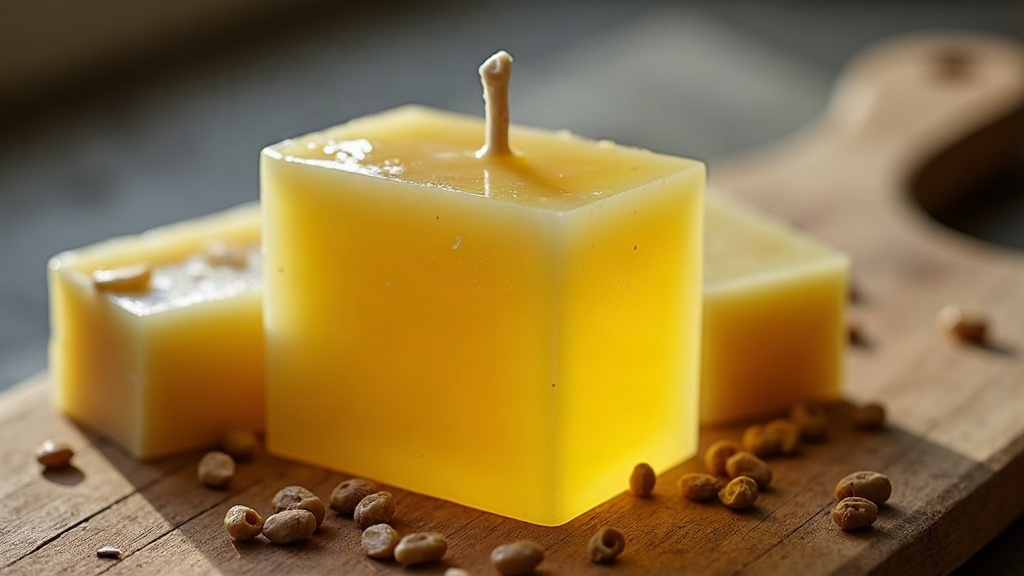
If you’re making true Castile soap (100% olive oil), the grade of olive oil you pick changes more than you’d think: how fast the batter hits trace, how long the bars need to cure, and how hard and durable they end up. The two go-to options are olive pomace oil and refined olive oil. Both work fine for the classic slow-trace Castile method, but they don’t behave identically, and that difference is worth knowing before you commit to a 20-pound batch.
Quick Summary
- Olive pomace oil comes from the leftover olive pulp (the pomace), pulled out with solvents and heat, then refined. It’s the budget pick, thinner in consistency, and traces a touch faster, though the initial bar runs softer.
- Refined olive oil (you’ll sometimes see it labeled “pure” or “light”) is pressed from olives first, then refined to strip out color, flavor, and impurities. Costs a bit more, but rewards you with a harder, more consistent bar and a cleaner lather.
- Neither one traces like extra virgin olive oil (EVOO). EVOO is even slower and keeps your soap soft for longer, so don’t expect either of these to behave the same way.
What Makes Castile Soap “Slow Trace”?
Ask anyone who’s made Castile soap and they’ll roll their eyes a little when you mention trace. It’s infamous for taking forever, sometimes 30 minutes, sometimes a few hours by hand, and even a stick blender doesn’t rescue you much. The reason comes down to chemistry: olive oil is low in saturated fats, and its fatty acid profile is dominated by oleic acid, which saponifies slowly next to oils like coconut or palm.
Both pomace and refined olive oil share that chemistry, so don’t go in expecting a fast trace like you’d get from a coconut-heavy recipe. The real differences show up later, in texture, bar hardness, and how the soap behaves during cure.
Olive Pomace Oil in Castile Soap
Pros:
- The most affordable option by far, which matters if you’re running large batches or testing recipes commercially.
- Thinner oil, so it tends to blend into the lye solution a bit more easily.
- Produces a gentle, conditioning bar, in line with what you’d expect from any olive oil soap.
Cons:
- Bars usually want a 6 to 12 month cure to reach full hardness. Pomace soap just stays soft longer than its refined counterpart.
- Lather can feel a little thin in the first few months, though it builds nicely with time.
- Quality swings more from supplier to supplier, since pomace is a byproduct pulled out with chemical solvents. Stick to a reputable supplier that refines and deodorizes it properly.
Best for: soap makers willing to cure for the long haul (6+ months) and who want to keep costs down on bigger or test batches.
Refined Olive Oil in Castile Soap
Pros:
- Hardens up noticeably faster than pomace oil, often ready in 3 to 6 months.
- Neutral scent and color, so it pairs cleanly with essential oils without any “olive” smell fighting for attention.
- More consistent from batch to batch, since refining strips out most of the variable plant matter.
Cons:
- Pricier per liter or gallon than pomace.
- Still slow to trace. Don’t expect a speed boost, just a firmer finished bar.
Best for: makers selling finished soap who need predictable hardness and a shorter cure, or anyone gifting bars sooner than the one-year mark.
Side-by-Side Comparison
| Factor | Olive Pomace Oil | Refined Olive Oil |
|---|---|---|
| Cost | Lower | Moderate |
| Trace speed | Slow (slightly faster than refined) | Slow |
| Bar hardness (early cure) | Softer | Firmer |
| Recommended cure time | 6-12 months | 3-6 months |
| Lather | Gentle, builds with cure | Gentle, slightly creamier |
| Scent neutrality | Good | Very good |
Practical Tips for Either Oil
- Cut your water a bit from the start. Full-water Castile recipes are already soft by nature. Many experienced soapers trim water by 5 to 10% to speed hardening, without rushing the saponification chemistry itself.
- Add sodium lactate. About 1 teaspoon per pound of oils firms up Castile bars noticeably, no matter which olive oil you’re using.
- Cure on a rack, never stacked. Airflow on all sides pulls moisture out faster, and that matters more here than with almost any other soap recipe.
- Resist the urge to over-blend. Slow trace is just how Castile works. Pushing the stick blender to “speed it up” can backfire into false trace or seizing.
- Run a small test batch first. Switching from pomace to refined (or the other way around)? Make a 1-pound test batch to check your trace time and cure schedule before committing to a full run.
Which Should You Choose?
If cost and batch size are your main concerns, and you’ve got the patience to wait out a near year-long cure, olive pomace oil is the smart, economical pick. If you’d rather have firmer bars sooner, steadier quality, and a cleaner finished product for sale or gifts, refined olive oil earns its higher price tag.
Conclusion
Both olive pomace oil and refined olive oil make genuine, skin-loving Castile soap. The real gap between them isn’t trace speed, it’s cure time, cost, and how firm the final bar turns out. Go with pomace for an economical, long-cure project, and reach for refined olive oil when you need a harder, market-ready bar in less time. Either way, patience during trace and a full cure period are what actually make a great Castile bar.