Unscented Oat Milk Soap for Frequent Hand Washing: Full Guide
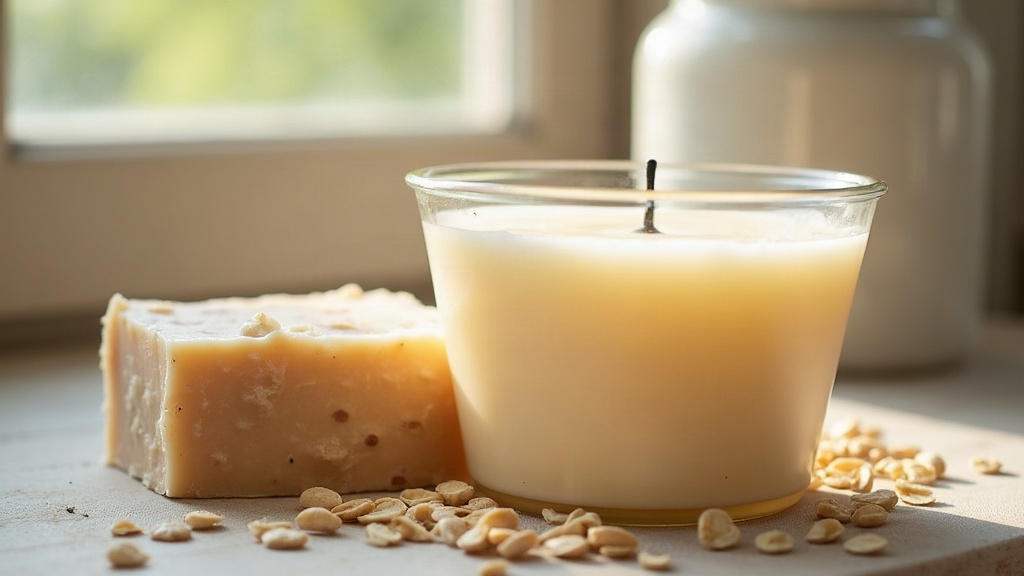
If your hands feel raw, tight, or cracked after washing them a dozen times a day, unscented oat milk soap might be the gentlest thing you can make for them. It pairs the calming, anti-inflammatory nature of colloidal oats with the richness of milk, and skips fragrance oils and essential oils entirely, since those are often what pushes already-irritated skin over the edge. Below: why oat milk works so well for people who wash constantly, a cold process recipe that actually delivers, and a few tweaks to push the gentleness further.
Why Frequent Hand Washing Damages Skin
Every wash strips away a bit of your skin’s natural oil along with the dirt and germs. Do that 10, 15, 20 times a day (think nurses, line cooks, new parents elbow-deep in diaper changes, or just someone who’s a little obsessive about germs) and your skin barrier starts breaking down faster than it can rebuild. You end up with dryness, hairline cracks across the knuckles, redness, and for some people, eczema flare-ups that just won’t quit.
Fragrance is one of the biggest triggers for contact irritation in soap. That’s reason enough to go unscented. The second half of the fix is loading the bar with more moisturizing, soothing ingredients, and that’s exactly where oat milk earns its place.
Why Oat Milk Works So Well
- Colloidal oats contain avenanthramides, compounds that have been shown to calm inflammation and itching.
- Beta-glucans in oats form a thin, breathable film on skin that helps it hold onto moisture.
- Natural fats in milk (yes, even oat milk has some) make for a creamier, more conditioning lather.
- Milk sugars support superfatting, so extra oils stay on the skin instead of rinsing away completely.
Compare that to a plain water-based soap: milk soap comes out noticeably softer and silkier, with far less of that “stripped” feeling. Exactly what you want for hands that are under constant water and soap exposure.
Unscented Oat Milk Soap Recipe (Cold Process)
This batch makes roughly 2 lbs (900g) of soap, built with a gentle 6% superfat for extra moisture retention.
Oils:
- 14 oz (400g) olive oil
- 8 oz (230g) coconut oil
- 6 oz (170g) sunflower or sweet almond oil
- 4 oz (115g) shea butter
Liquid & Lye:
- 8 oz (230g) oat milk, frozen into cubes
- 4.3 oz (122g) sodium hydroxide (lye)
Additives:
- 2 tbsp finely ground colloidal oatmeal (run oats through a coffee grinder)
- Optional: 1 tsp kaolin clay for a silkier feel
Method
- Freeze the oat milk into ice cubes ahead of time. Pour lye straight into liquid milk and you’ll scorch it, turning it yellow or even orange as the milk sugars overheat.
- In a well-ventilated space, add the lye to the frozen oat milk cubes slowly, stirring gently. Sit the container in an ice bath while you do this. It keeps things cold enough that the milk won’t burn.
- Melt the coconut oil and shea butter together, then stir in the liquid oils (olive, plus sunflower or almond).
- Once the lye-milk mix has cooled to about 100-110°F (38-43°C), and your oils sit around the same range, combine the two.
- Blend with an immersion blender until you hit a light trace.
- Fold in the ground colloidal oatmeal (and the kaolin clay, if you’re using it).
- Pour into your mold. Cover it loosely and go easy on the insulation. Milk soaps overheat fast, and too much insulation means discoloration.
- Unmold after 24-48 hours, slice into bars, then let them cure for 4-6 weeks somewhere cool and dry.
Tips for Maximum Gentleness
- Leave out fragrance altogether. Even “gentle” essential oils like lavender or tea tree can sensitize skin when you’re using them daily, multiple times a day.
- Go easy on high-cleansing oils like castor oil. Keep coconut oil under 20% of your total oil weight so it doesn’t strip skin too hard.
- Push superfat to 6-8% rather than the standard 5%. It’s a small change that makes a real difference in how conditioning the bar feels.
- Use soft water if you can. Hard water leaves behind soap scum, which only adds to the dryness.
- Keep bars on a draining dish. You’ll be reaching for this soap constantly, so a dish that drains well helps the bar last.
How to Tell It’s Working
A good oat milk bar for frequent hand washing should leave your hands feeling clean, not that tight, squeaky feeling you get from harsher soaps. Still dry after a week of using it? Bump the superfat up to 8%, or cut the coconut oil by an ounce or two and see how that changes things.
Conclusion
Unscented oat milk soap is a practical, skin-first answer for anyone whose hands are in and out of the sink all day. Pair a careful cold-process method with soothing oatmeal and nourishing milk fats, skip the fragrance entirely, and you get a bar that cleans without making the dryness worse. Let it cure the full 4-6 weeks. Your hands will tell you it was worth the wait.