Babassu Oil vs Coconut Oil in Cold Process Soap for Sensitive Hands
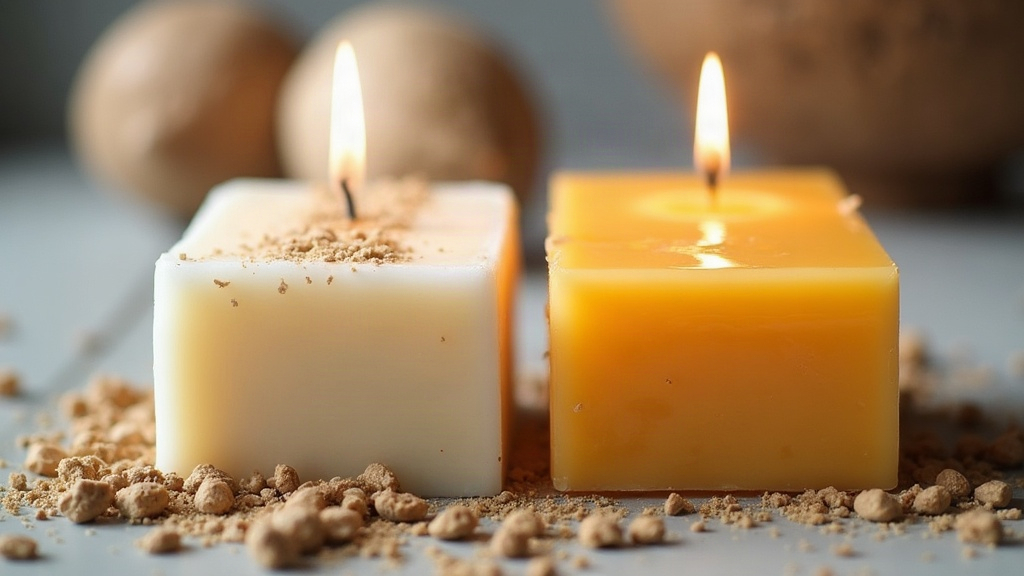
If you make cold process soap for people with dry, reactive, or sensitive hands, the choice between babassu oil and coconut oil matters more than most recipe tweaks you’ll ever make. Both oils are loaded with lauric and myristic acids, so you get big, bubbly lather and a rock-hard bar either way. But here’s the catch: coconut oil can strip and irritate skin at typical usage rates, while babassu oil gives you nearly the same cleansing punch with a noticeably softer feel. This guide walks through the real differences so you can pick the right oil (or blend) for a bar that cleans without leaving hands tight, red, or flaking.
Why This Comparison Matters
Coconut oil is the backbone of most cold process recipes, and for good reason. It builds fluffy, stable lather and a bar that holds up for months. The problem shows up once you push past 15-20% of your recipe: that high lauric/myristic acid content starts pulling natural oils out of the skin barrier. For someone with eczema-prone skin, or really anyone dealing with Colorado winters and forced-air heat, that can mean dry, itchy hands within days of using the soap.
Babassu oil gets called “coconut oil’s gentler cousin” for a reason. Its fatty acid profile is nearly a match (around 50% lauric acid), yet it produces softer, creamier lather with much less perceived stripping. That’s exactly why it shows up so often in natural and baby-safe soap formulas.
Side-by-Side: Key Properties
| Property | Coconut Oil | Babassu Oil |
|---|---|---|
| Lauric acid content | ~45-50% | ~45-50% |
| Lather type | Big, fluffy, bubbly | Creamy, stable, slightly less bubbly |
| Hardness (soap bar) | Very hard | Very hard |
| Skin feel | Can be drying/stripping above 20% | Milder, less tight feeling |
| Melting point | Solid at room temp (~24°C) | Solid at room temp (~24°C) |
| Cost | Lower, widely available | Higher, specialty suppliers |
| Saponification value (NaOH) | 0.190 | 0.175 |
Since babassu’s SAP value sits close to coconut’s, swapping it in at roughly 1:1 is usually fine. Just don’t skip rerunning your lye calculator. Those two decimal points (0.190 vs 0.175) add up once you’re working with a full batch.
Which Is Better for Sensitive Hands?
For sensitive, mature, or eczema-prone skin, babassu oil wins more often than not. Here’s why:
- It cleanses without that “squeaky clean, tight” feeling coconut bars are notorious for.
- It builds a stable, silky lather instead of aggressive foam that keeps multiplying in your hands.
- It’s far less likely to set off irritation in people who already react badly to high-coconut bars.
None of this makes coconut oil a bad ingredient. It’s just more concentrated in its stripping effect. A lot of soapers compensate by superfatting (leaving 5-8% of the oils unsaponified) to soften that drying edge. Even so, sensitive users can usually still tell the two oils apart, superfat or not.
Sample Formulas
Gentle Babassu Bar for Sensitive Hands (superfat 7%)
- 25% Babassu oil
- 30% Olive oil
- 20% Shea butter
- 15% Sunflower oil
- 10% Castor oil
Standard Coconut-Based Bar (superfat 5%)
- 20% Coconut oil
- 35% Olive oil
- 25% Palm or Sustainable alternative
- 15% Sunflower oil
- 5% Castor oil
Notice the ceiling: coconut oil tops out around 20% in a standard formula, while babassu can climb to 25-30% without the same harsh payoff. That’s the gentler fatty acid release at work during use.
Practical Soap-Making Tips
- Start low, test often. Trying babassu for the first time? Do a small test batch with a 1:1 swap before you commit a full recipe’s worth of oils and butter to it.
- Adjust your lye calculator. Babassu’s SAP value runs a bit lower than coconut’s. Recalculate every time. Don’t assume the lye amount carries over.
- Pair with soothing additives. Colloidal oatmeal, kaolin clay, and a slightly higher superfat (6-8%) all push a sensitive-skin bar further toward “gentle.”
- Watch trace speed. Babassu can speed up trace a touch compared to coconut in some recipes, so move efficiently once you hit emulsion. You don’t want to be scrambling to get it into the mold.
- Cure properly. A full 4-6 week cure cuts down free alkalinity and makes the bar milder, regardless of which oil you’re using. Don’t shortcut this step just because you’re excited to use a new batch.
Common Questions
Can I replace all the coconut oil with babassu oil? Yes, a full swap works in most recipes. Just rerun the lye calculation first since the SAP values aren’t identical.
Does babassu oil cost much more? Usually, yes. Babassu is a specialty oil sourced mostly from Brazil, so you’re paying a noticeably higher price per pound compared to commodity coconut oil.
Will babassu soap lather as big as coconut soap? It lathers well, but expect creamier and denser foam rather than the big, bubbly kind coconut is known for. Want both volume and mildness? Blend the two, something like 10% coconut plus 15% babassu works nicely.
Conclusion
For cold process soap meant for sensitive hands, babassu oil is the smarter call when gentleness matters most, while coconut oil still holds its ground when you want maximum lather and a lower price tag. Honestly, the sweet spot for most soapers is a blend: a smaller slice of coconut oil paired with babassu gives you big bubbles plus a mild, non-stripping bar, the kind of soap sensitive-skinned customers will reach for again and again.