Advanced Water Discounting for Intricate Cold Process Hanger Swirls
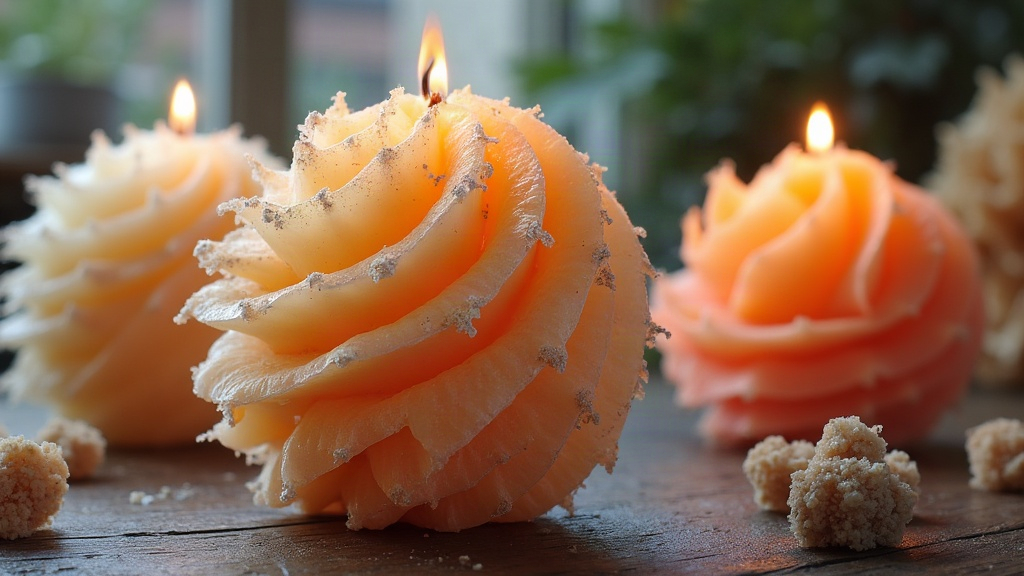
Advanced Water Discounting for Sharp Hanger Swirls in Cold Process Soap
Advanced water discounting is the trick behind razor-sharp, highly detailed hanger swirls in cold process soap. Push it too far, though, and you’re suddenly fighting flash trace, batter that sets up like cement, and a ruined design you have to scrape out of the mold. This guide walks through exactly how much to discount, when to do it, and how to keep your batter workable long enough to pull clean, defined lines through a swirl hanger.
What Water Discounting Actually Does
Water discounting means cutting back the amount of water (or other liquid) used to dissolve your lye, compared to a “full water” recipe (typically a 2:1 or 2.2:1 water-to-lye ratio). Less water in the mix changes a lot:
- Trace comes faster, often within a couple of minutes instead of five or ten
- Cure time shortens, so bars harden and release from molds sooner
- Swirl lines stay firmer and more defined, since colors hold their shape instead of melting into each other
- Glycerin rivers and soda ash show up less often
For intricate hanger swirls, where you’re dragging several colors through thin, precise channels, a thick, pudding-like batter isn’t optional. It’s the whole point. Thin batter blurs together the second it hits the mold, and all that fine detail you worked for just disappears.
Choosing Your Water Discount Level
Soapers usually talk about discounts in terms of lye concentration percentage or a water:lye ratio. Here’s roughly where things land:
- Full water (beginner): 2.5:1 to 2.2:1 ratio. Too thin for detailed hanger work; the lines will just melt together.
- Moderate discount: 2:1 ratio (33% lye concentration). A solid, forgiving, general-purpose swirl batter.
- Advanced discount: 1.5:1 to 1.3:1 ratio (38-40% lye concentration). This is the sweet spot for intricate hanger designs.
- Extreme discount: 1:1 ratio (50% lye concentration). Experienced soapers use this for very fast-setting, ultra-high-detail work, but it leaves almost no room for error.
For most hanger swirl projects, aim for 38% lye concentration. That gives you batter thick enough to hold crisp lines but still fluid enough to pour and drag the hanger through before it seizes on you.
Preparing Your Batter for Hanger Work
- Discount gradually if this is new territory for you. Don’t leap from 2:1 straight to 1.5:1. Go to 1.8:1 first and see how the recipe behaves, since every oil blend reacts differently to a discount.
- Lean on slow-moving oils. High percentages of olive oil, rice bran oil, or sweet almond oil buy you extra working time even at a discounted ratio. Skip heavy castor oil loads, which push trace along even faster, the opposite of what you want here.
- Keep everything cool. Mix your lye solution and oils in the 90-100°F (32-38°C) range. Discounted water already speeds up trace on its own; adding heat on top just compounds the problem.
- Pre-mix every colorant before you start. Once you’re pouring a discounted recipe, there’s no time to disperse pigments mid-swirl. Get all your colors blended into a small amount of oil ahead of time, sitting ready in cups.
- Choose a slower fragrance oil. Some fragrances accelerate trace all by themselves, and pairing one of those with a heavy water discount can cause instant ricing. Always test a fragrance at your target discount level on a small batch before committing a full recipe to it.
Executing the Hanger Swirl
- Pour your base color into the mold first, then layer or pour the accent colors on top in whatever pattern you’ve planned.
- Insert the hanger (a bent-wire tool with 3-5 loops, something you can bend yourself from coat hanger wire) straight down to the bottom of the mold.
- Pull through in smooth, deliberate passes. Resist the urge to go back and “fix” a pass. Discounted batter doesn’t self-level, so any area you rework will just turn muddy.
- Move quickly. At 38% lye concentration, you’ve usually got 5-10 minutes of workable time before the batter thickens past the point of dragging cleanly.
Troubleshooting Common Problems
Batter seizes before you finish pouring. Either your discount is too aggressive for this particular recipe, or your fragrance oil sped up trace more than expected. Bump the water up slightly, try 1.7:1, or swap in a different fragrance oil next time.
Swirls still blur together. Your discount isn’t strong enough yet, or you’re pouring too hot. Drop down to 38-40% lye concentration and pour at a cooler temperature.
Cracking or overheating inside the mold. Heavy discounts trap more heat during gel phase, which can lead to cracks or a volcano-like overheat. Skip the insulation, or put the mold in the fridge for the first few hours (think CPOP, minus the oven part).
Soda ash showing up on discounted bars. Oddly enough, discounted batter can still ash over. Spritz the top with 99% isopropyl alcohol right after pouring, don’t wait.
Final Thoughts
Advanced water discounting turns an unpredictable cold process batter into a dependable canvas for intricate hanger swirls. Start around 38% lye concentration, pick slow-trace oils, keep your temperatures down, and have your colors pre-mixed so you’re ready to move the moment you pour. Run a few test batches at your chosen recipe and you’ll start to feel the timing in your hands, the kind of instinct that lets you pull sharp, professional-looking swirls pretty much every time after that.