Troubleshooting Soft Cold Process Soap with High-Oleic Sunflower Oil
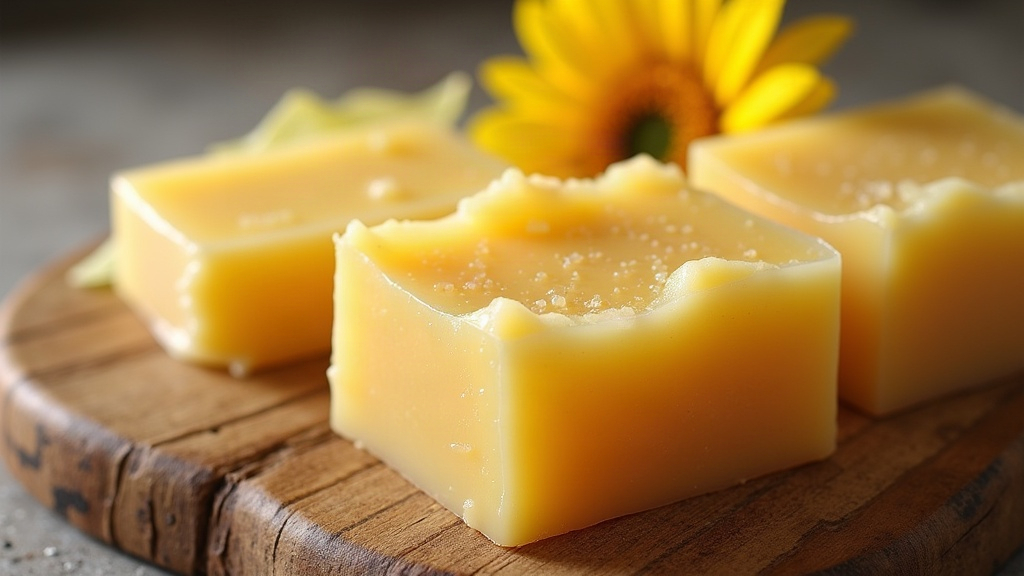
If your cold process soap feels soft, spongy, or dents under a light thumb press even after a full cure, high-oleic sunflower oil is probably the culprit. It’s a sneaky one. This oil behaves nothing like regular sunflower oil, and plenty of soapmakers grab the wrong bottle off the shelf without realizing it, which quietly wrecks their recipe’s hardness and shelf life. Here’s why it happens and what actually fixes it.
Why High-Oleic Sunflower Oil Causes Soft Soap
High-oleic sunflower oil is a kitchen favorite because it’s stable and resists going rancid. In soap, though, those same traits work against you.
- High monounsaturated fat content: High-oleic varieties can run 80% or more oleic acid, versus roughly 20% in regular sunflower oil. Oleic acid gives soap a nice conditioning feel, but it does almost nothing for hardness.
- Low in saturated fats: Regular sunflower oil carries small amounts of palmitic and stearic acid, enough to help firm up a bar. High-oleic versions strip most of that out.
- Confusing substitution: A lot of recipe calculators and older published recipes assume “sunflower oil” means the standard, linoleic-rich type. Swap in high-oleic without adjusting anything else, and your hardness numbers in SoapCalc or similar tools go sideways, even though the software won’t always warn you.
Basically, the soap looks perfectly fine on paper in your lye calculator, but it doesn’t perform that way in real life, because the fatty acid profile doesn’t match what the software assumed.
How to Tell If This Is Your Problem
Before you start reformulating, confirm the diagnosis first:
- Check your bottle label. Look for “high-oleic,” “NuSun,” or an oleic acid percentage above 70%. If the label just says “sunflower oil” with nothing else, email the supplier and ask.
- Still soft after a full cure. If bars are still mushy after 4-6 weeks curing in a dry, airy spot, this isn’t a slow-cure situation. The fatty acid profile is the actual root cause.
- Too many conditioning oils overall. Add up your oleic, linoleic, and ricinoleic percentages across the whole recipe. Cross 60-65% total, and softness is basically guaranteed no matter which oil is the source.
Fixes That Actually Work
1. Increase Hard Oils
Boost your hardening fats to counterbalance the oleic acid:
- Coconut oil: push it up to 20-25% of your recipe for better hardness and bigger, fluffier bubbles.
- Palm oil or sustainable palm alternatives: brings stable, long-lasting hardness to the bar.
- Cocoa butter or shea butter: 5-10% adds firmness and a silky after-feel on the skin.
2. Add Sodium Lactate
Dissolve sodium lactate into your cooled lye solution at about 1 teaspoon per pound of oils. It speeds up hardening noticeably and makes unmolding far easier within 24-48 hours, all without touching your oil balance.
3. Reduce High-Oleic Sunflower Oil’s Share
Don’t treat it as a major base oil. Cap it at 5-15% of your total oils instead, and use it the way you’d use olive or avocado oil: as a luxury conditioning addition, not the backbone of the recipe.
4. Switch to Regular Sunflower Oil
If your original recipe was actually built around the standard sunflower oil fatty acid profile, just sourcing non-high-oleic sunflower oil fixes the whole problem instantly. No reformulation required.
5. Extend Cure Time Strategically
Even after adjusting your hard oils, give high-oleic soap a full 6-8 weeks to cure rather than the usual 4. That extra time lets more water evaporate out, which firms up bars sitting right on the edge of soft.
6. Combine Salt and Sodium Lactate
For a recipe you really don’t want to abandon even though it’s quite soft, pair sodium lactate with a light salt water spritz (1 tsp salt dissolved per cup of water, sprayed on bars before cutting). This combo speeds up surface hardening noticeably.
Quick Reference: Target Percentages
| Oil Category | Recommended Range |
|---|---|
| Hard oils (coconut, palm, butters) | 30-40% |
| High-oleic sunflower oil | 5-15% |
| Other conditioning oils (olive, sweet almond) | 20-35% |
Conclusion
Soft cold process soap made with high-oleic sunflower oil almost always comes down to one thing: an unusually high oleic acid content that just doesn’t have the firming power of saturated fats. The fix isn’t complicated. Confirm your oil type, rebalance with more hard oils, add sodium lactate, and give it extra cure time. Do that, and you keep the silky, conditioning feel high-oleic sunflower oil brings to a bar, without giving up hardness or longevity.